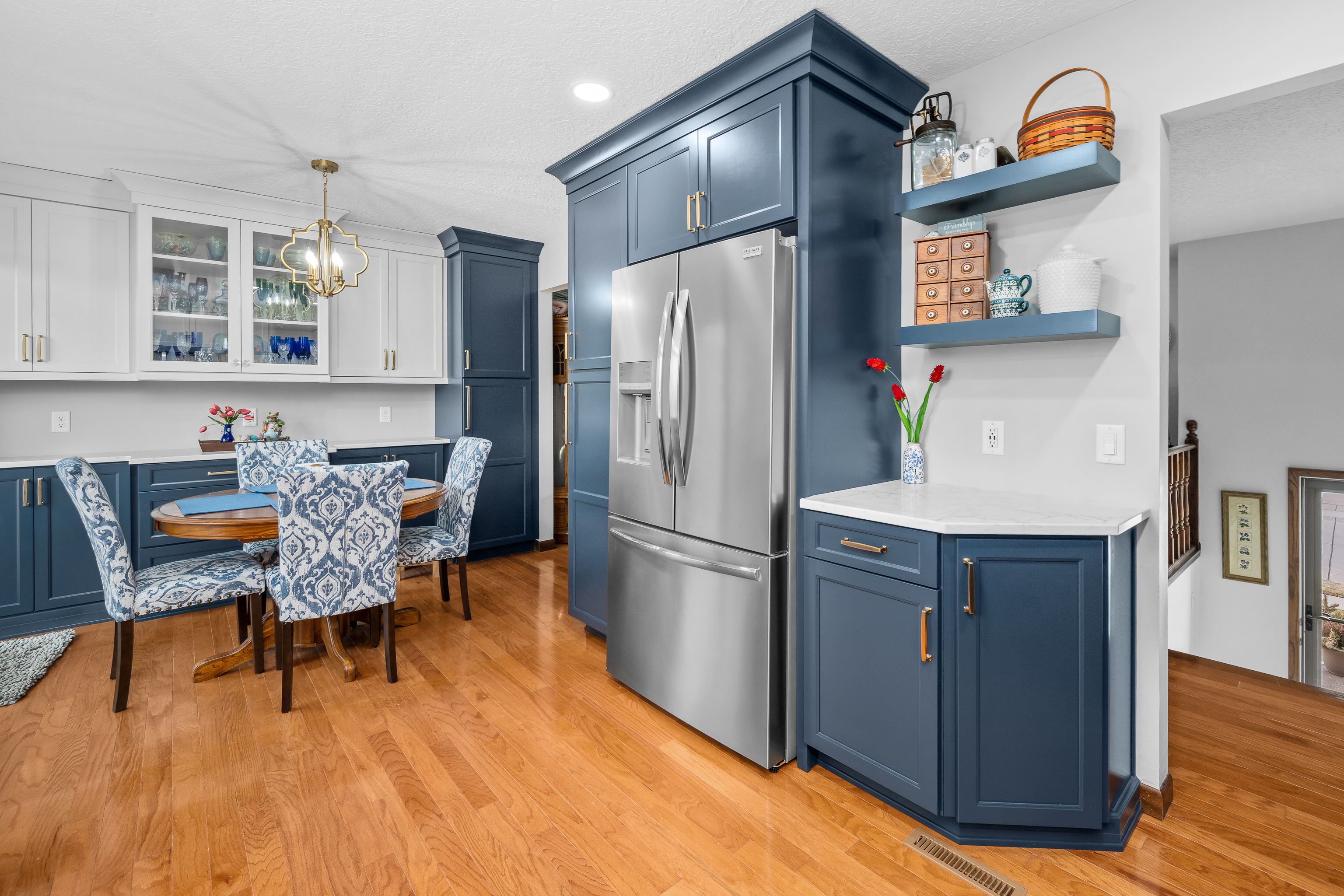
Maximizing Multifunctionality: Designing Homes for Versatile Living Jul 22, 2026
The concept behind multifunctional home design is to make the most out of available space by allowing areas to serve multiple purposes. This approach not only maximizes utility but also enhances the homeowner's ability to maintain a clutter-free and organized environment. Whether you are a growing family needing more space or someone who frequently entertains guests, designing your home for versatile living can significantly improve your daily life.
One of the primary ways to achieve multifunctionality is by incorporating open-plan layouts. Open spaces seamlessly blend different areas of a home, such as the living room, dining room, and kitchen, into one large, flexible space. Walls that previously divided rooms are eliminated, allowing for improved interaction and flow. In such settings, furniture plays a crucial role. Using modular and convertible furniture can easily transform a living room into a guest bedroom or a dining area into a home office. Pieces like sofa beds, foldable tables, and expandable dining sets are perfect examples of furnishing that serve dual functions.
Another essential element in multifunctional home design is smart storage solutions. Clutter can quickly build up, especially in homes where space is at a premium. By integrating built-in storage options like wall-mounted cabinets, under-stair drawers, and hidden storage within furniture, you can utilize every inch of your home efficiently. These solutions help maintain a tidy space while keeping necessary items accessible and organized.
Incorporating technology into multifunctional design tremendously enhances usability. Smart home systems allow homeowners to control lighting, temperature, and security with ease, often from a simple mobile app. More advanced setups can manage different zones of your home as needed. For example, adjusting light intensity or setting climate controls in specific rooms can make a smaller space feel larger and more comfortable.
Lighting also plays a pivotal role in making spaces multifunctional. The right lighting can transform the mood and functionality of an area instantly. Layered lighting, which includes ambient, task, and accent lighting, allows spaces to adapt to different activities throughout the day. Dimmable lighting systems offer another level of flexibility, enabling rooms to switch from a bright working environment to a soft, relaxing ambiance seamlessly.
The exterior of a home should not be overlooked when considering multifunctionality. Outdoor spaces, such as patios and decks, can be designed to extend the living area of a home. Including elements like sliding doors and retractable roofs can merge indoor and outdoor spaces, allowing for a seamless transition and expanding the useable area for entertainment or relaxation.
As lifestyles continue to change, the demand for versatile living solutions will persist. Big Picture Construction & Design is here to assist you in navigating these trends by offering their expertise in designing homes that adapt to your unique needs. By incorporating these multifunctional design principles, your home can become a more dynamic, efficient, and enjoyable space. Bring your vision to life, and transform your home into a place where functionality and design coexist harmoniously.
/filters:no_upscale()/filters:format(webp)/media/69d99184-cf63-48cd-b720-093a4d88ea05.jpeg)
/filters:no_upscale()/filters:format(webp)/media/1a6ed17f-254a-417d-816c-591fbd3271ad.jpeg)